
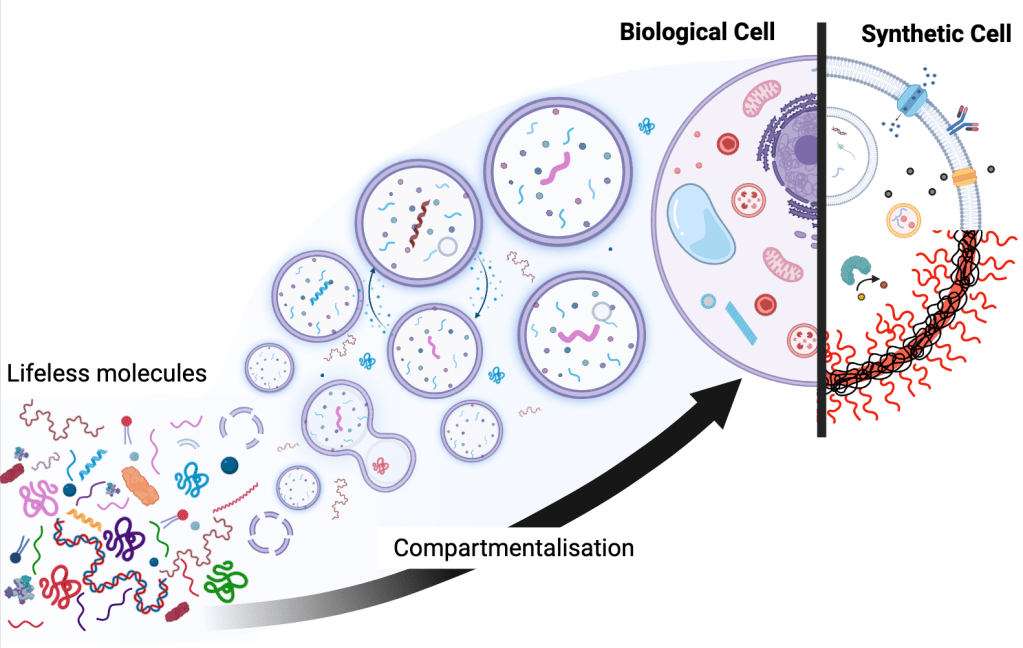
Can we create life-like behaviours from non-living molecular components?
This question drives everything we do in the Contini Lab. Living cells move, sense their surroundings, communicate and respond, yet each of these behaviours comes from molecular interactions that are not alive on their own. We work from the bottom up. We assemble synthetic cells from molecular building blocks. Then we ask which minimal set of compounds is needed for life-like functions to emerge.
Our Synthetic Cell systems let us explore how complex behaviours can emerge from lifeless components, and each is a starting point for developing new biotechnologies.
The Contini Lab brings together chemistry, physics, biology and engineering. If you enjoy working across disciplines and asking fundamental questions that could lead to real-world impact, keep in touch!
Soft Matter Engineering
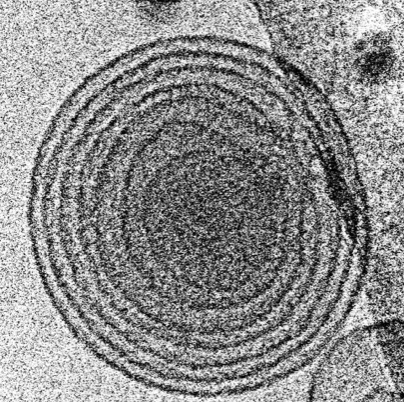
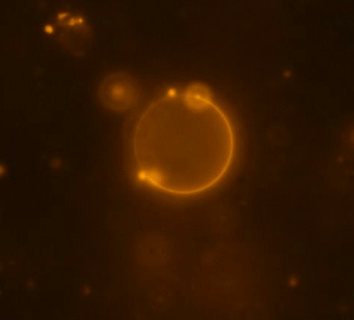
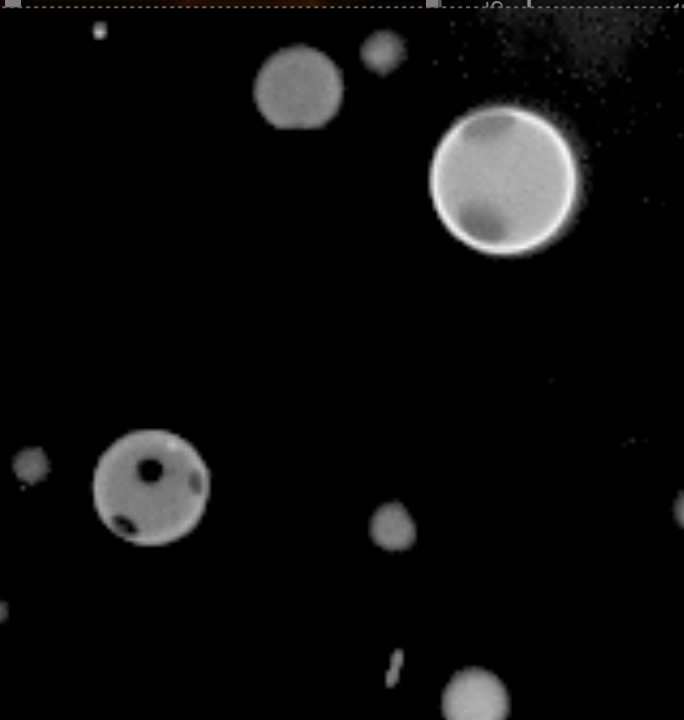
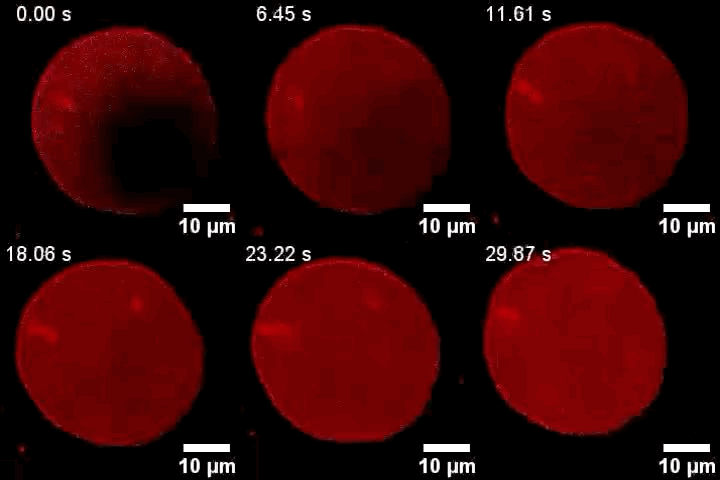
We design lipid, polymer, and hybrid vesicles that serve as minimal models of cellular membranes. By controlling membrane composition, architecture, and mechanical properties, we investigate how soft matter systems can mimic biological structures and functions.
Membrane Biophysics
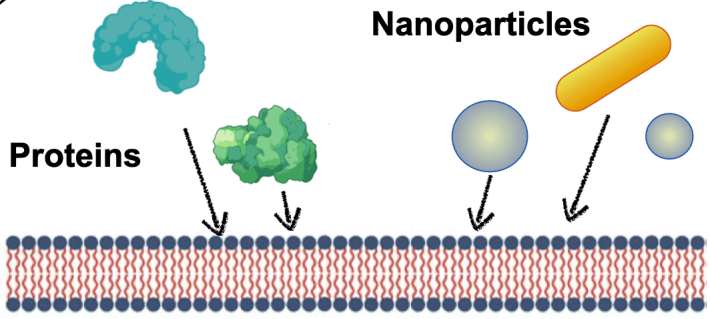
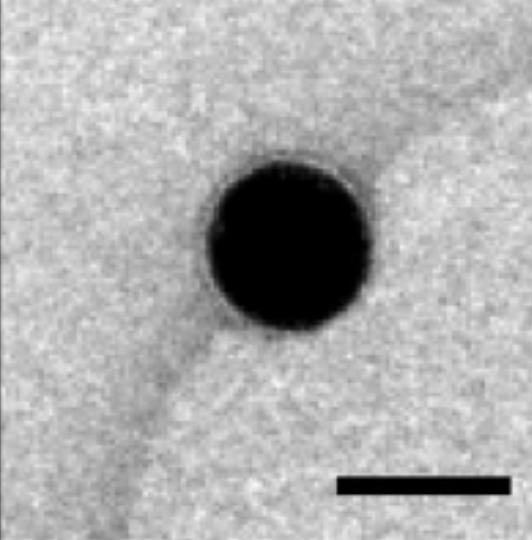
Our research investigates the fundamental physical principles governing membrane organisation, nanoparticle–membrane interactions, and transport across biological interfaces. Minimal membrane systems allow us to isolate the mechanisms that drive cellular behaviour.
Cell-like Dynamic Behaviour
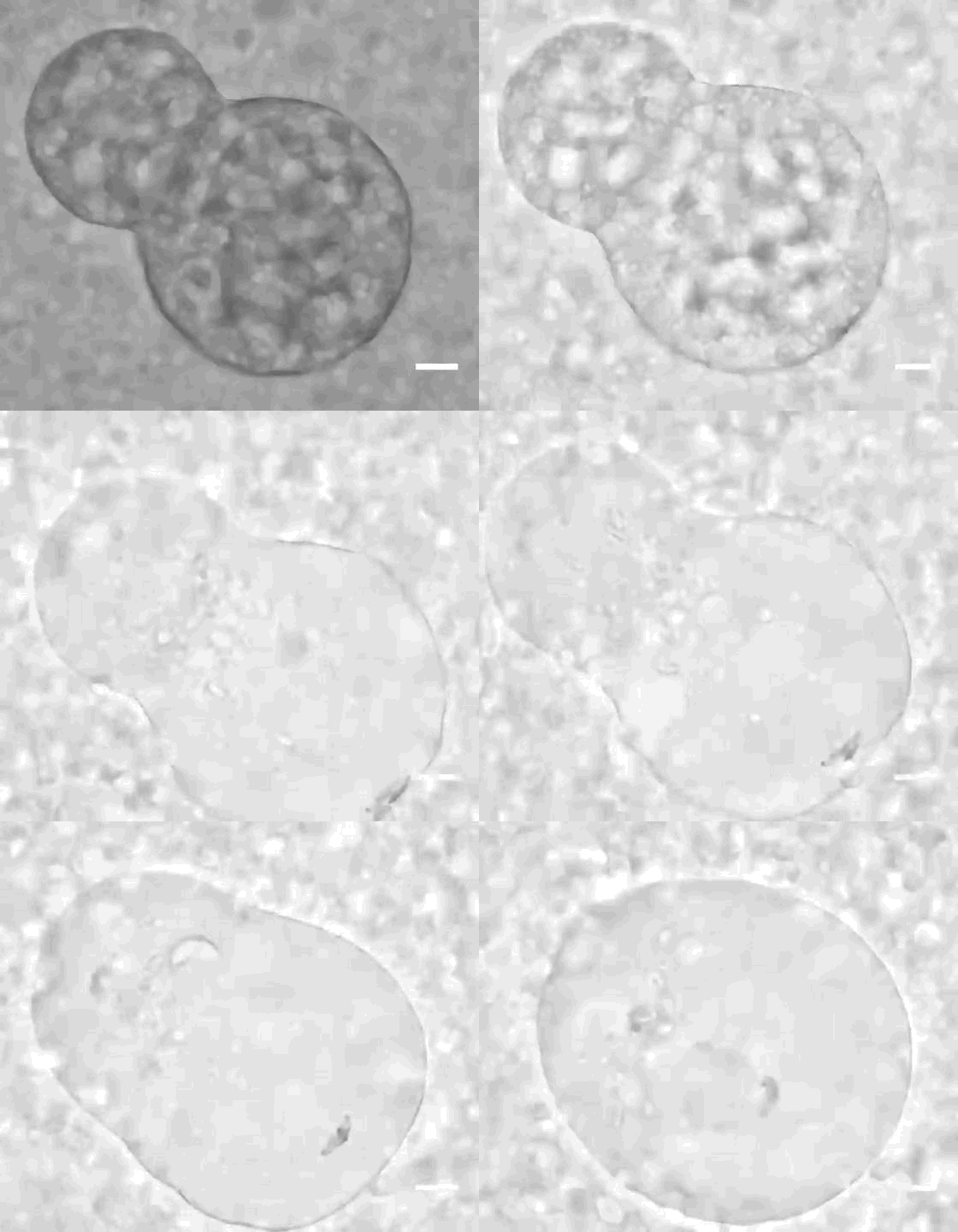

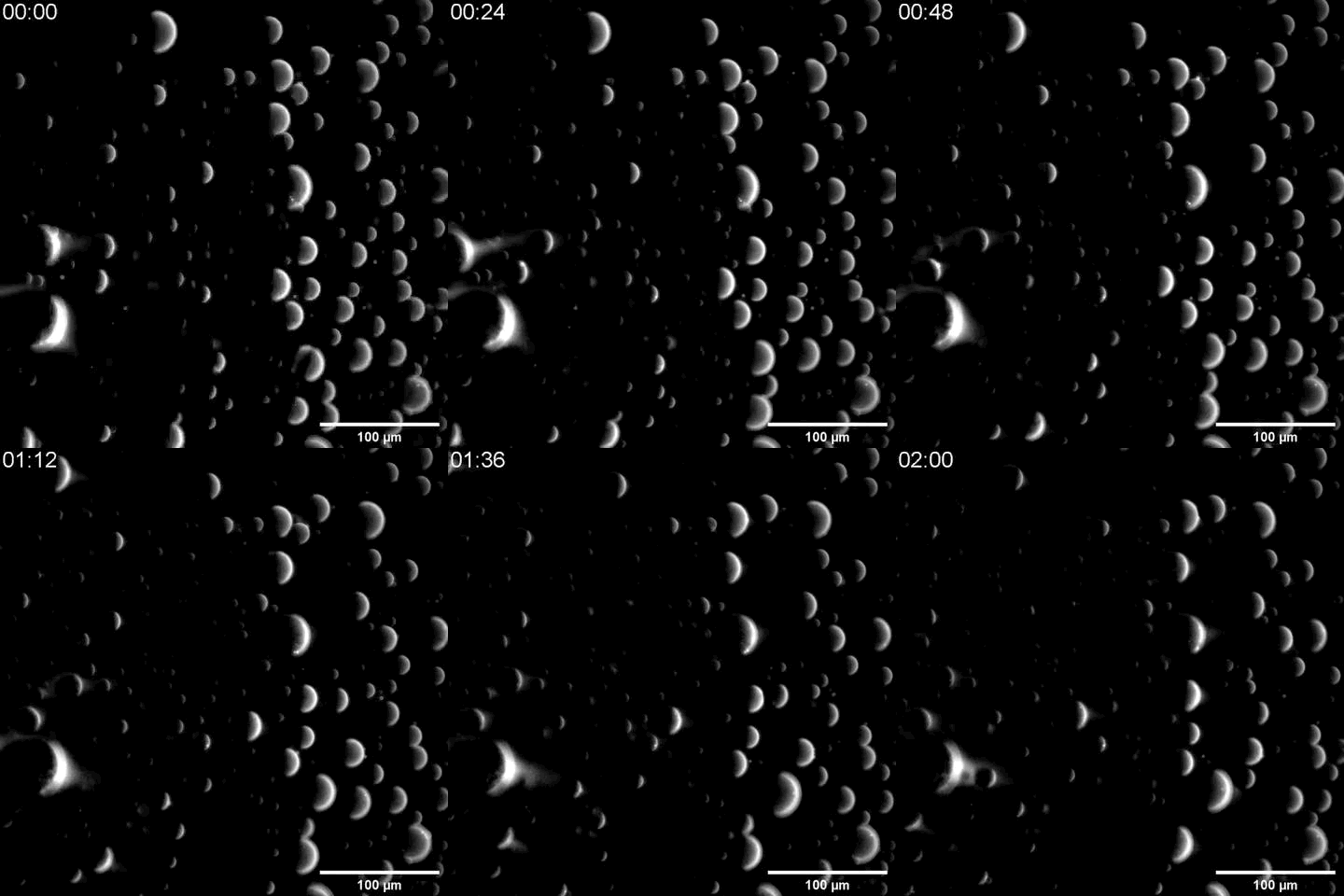
Living cells display complex behaviours such as motion, deformation, and responsiveness to environmental cues. We engineer synthetic systems capable of life-like dynamics, including contractility, self-organisation, and autonomous motion.
Biohybrid Systems
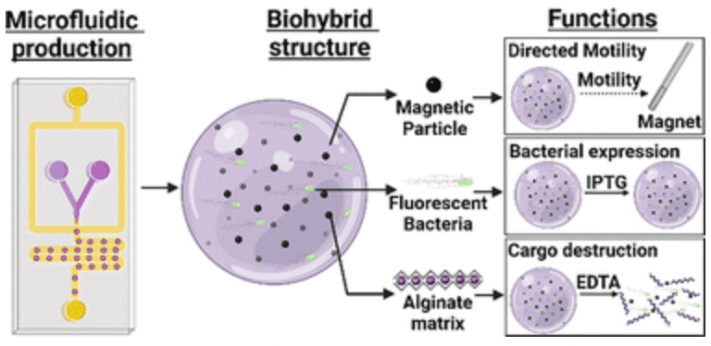

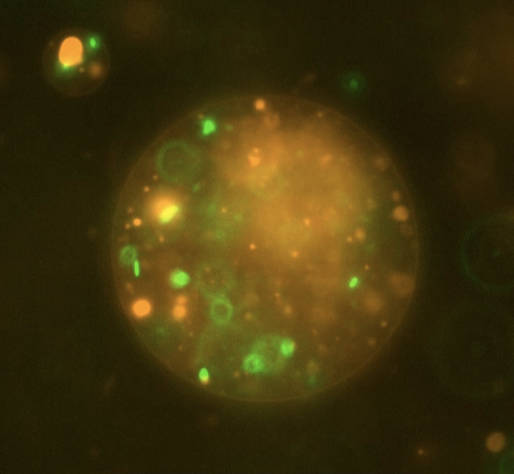
We combine synthetic materials with living cells to create biohybrid systems with enhanced functionality. These platforms enable new strategies for cellular engineering, biosensing, and therapeutic delivery.

